

If you are thinking about eloping in Spain, the hardest part might simply be deciding where.
Mountains, deserts, islands, cliffs, deep green forests, vineyards, the Mediterranean Sea, historic castles and centuries-old country houses.
Spain is one of those rare places where completely different landscapes, cultures and experiences exist surprisingly close to each other. You can exchange your vows overlooking the Mediterranean, disappear into the mountains for the afternoon, celebrate with dinner in a tiny medieval village or spend a few days with your closest people in an old stone masía surrounded by olive trees.
And that is perhaps what makes Spain such an incredible place for an elopement, it isn't only beautiful, It gives you possibilities.
Whether your idea of getting married means hiking into the mountains, drinking vermouth under the sun, renting a beautiful villa by the sea or gathering ten of your favourite people around a very long table, there is probably a corner of Spain where it makes perfect sense.
So if a traditional wedding has never really felt like you, this guide is for you.
WHY ELOPE IN SPAIN?
Spain has an almost ridiculous variety of landscapes for a country you can travel across relatively easily.
You have the Mediterranean coastline and its little coves. The wild Atlantic coast in the north. Snow-covered mountains in the Pyrenees. Volcanic landscapes in the Canary Islands. The desert scenery of Almería. Endless golden fields across central Spain. Vineyards, olive groves, green valleys and forests. And then there are the places humans have built within those landscapes: Medieval villages. Andalusian cortijos. Catalan masías. Historic castles. Modernist palaces in Barcelona. White villages overlooking the Mediterranean. Luxury villas in Marbella. Centuries-old estates hidden among vineyards.
You can go from somewhere that looks almost lunar to somewhere impossibly green without ever leaving the country. Spain has been used as a filming location for international productions for decades for precisely this ability to become many different places. For an elopement, that versatility is incredibly exciting. Because you don't need to choose a venue capable of accommodating 150 guests.You can choose a place simply because you like it.
THE BEST PLACES TO ELOPE IN SPAIN
Trying to make a definitive list of the best elopement locations in Spain would be almost impossible. Instead, it makes more sense to think about the kind of experience and landscape you want. Here are some places to start dreaming:
Costa Brava & Empordà
If you are imagining stone villages, vineyards, olive trees, turquoise coves and long Mediterranean dinners, this is probably where I would start.
The Empordà has something of Provence and Tuscany while still feeling unmistakably Catalan. Drive inland from the Costa Brava and you will find medieval villages, old farmhouses converted into beautiful hotels and wedding venues, vineyards and countryside. Drive towards the coast and suddenly the landscape drops into cliffs, pine forests and tiny Mediterranean coves. It means you don't necessarily have to choose between countryside and sea, you can have both.
Spend the morning slowly getting ready in a centuries-old masía, exchange your vows somewhere overlooking the Mediterranean and finish the day eating outside under string lights with the people you love.
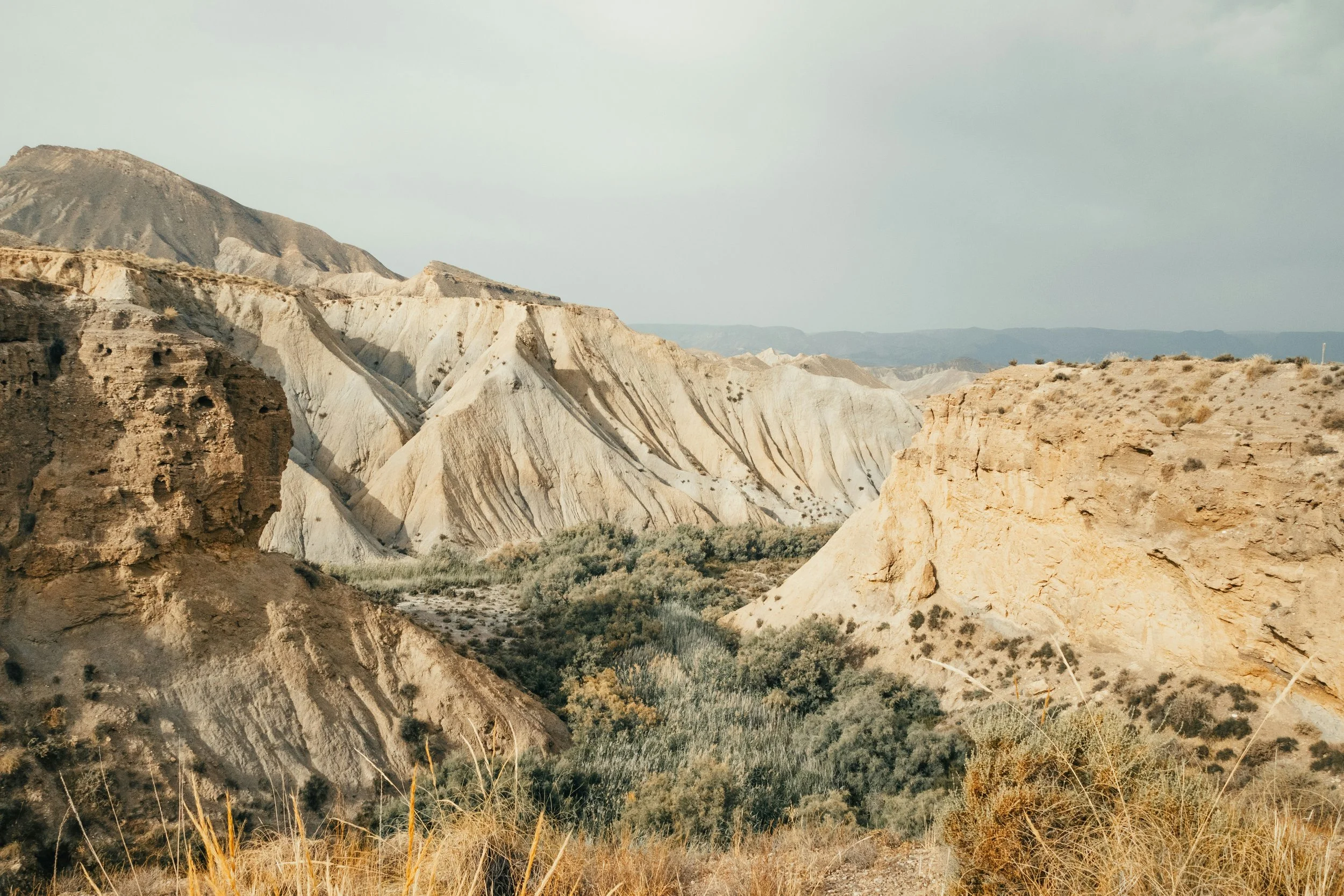
Cabo de Gata & The Tabernas Desert
For something completely different, go south. Almería has some of the most cinematic landscapes in Spain: Cabo de Gata combines volcanic cliffs, wild beaches, dusty roads and tiny white villages with the intense light of southern Spain. Not far away, the Tabernas Desert looks almost like another continent.
If your idea of an elopement involves a road trip, an old car, wind, dust, dramatic landscapes and very few people around, this part of Andalucía is something special.
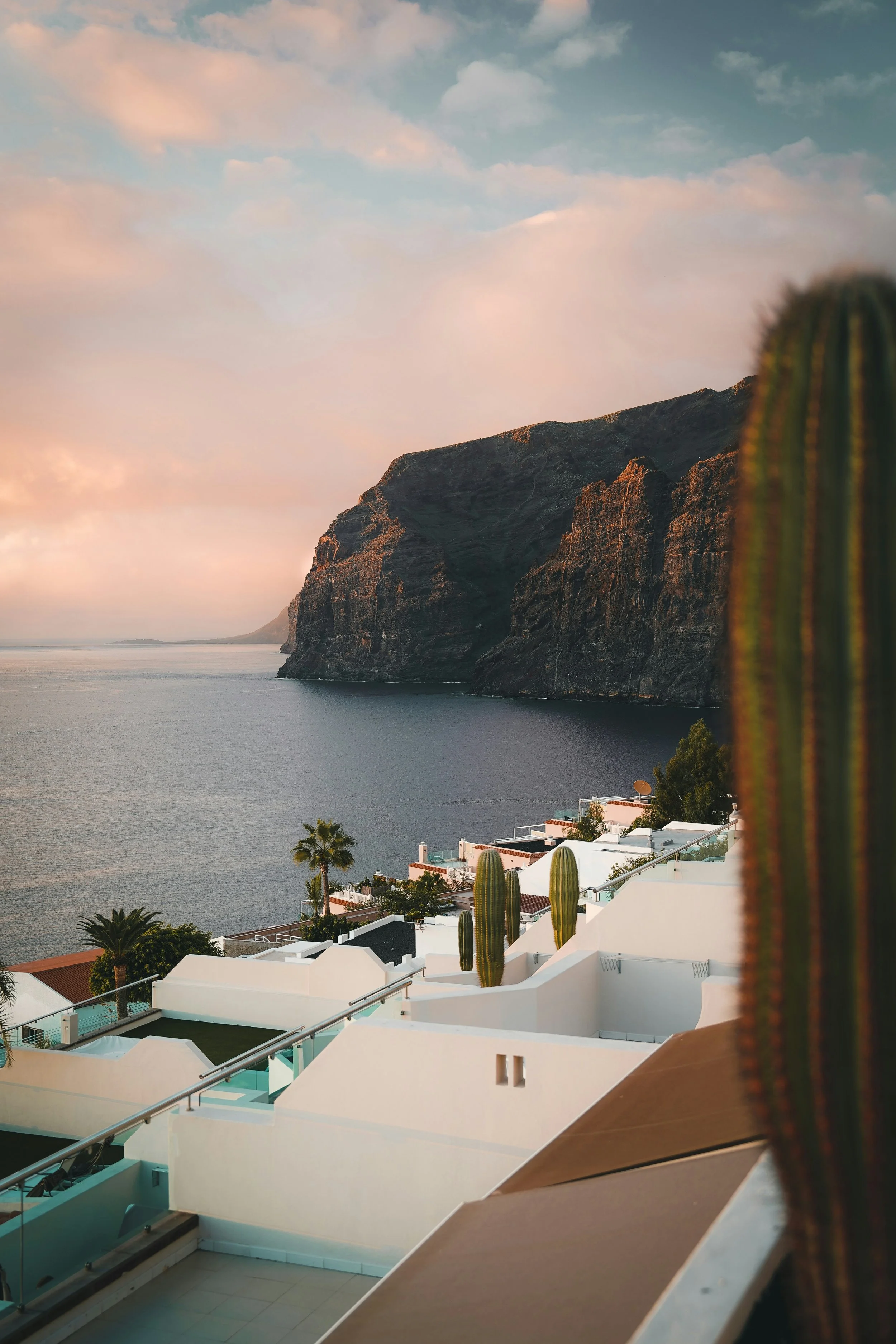
The Canary Islands
Volcanoes instead of vineyards, black-sand beaches instead of Mediterranean coves:
The Canary Islands are probably one of the most visually distinctive places to elope in Spain. Lanzarote in particular feels almost otherworldly: black volcanic earth, white architecture, empty roads and the Atlantic Ocean. Tenerife gives you the dramatic volcanic landscapes surrounding Teide alongside forests and wild coastline, while Fuerteventura offers enormous beaches and arid landscapes.
And because the islands enjoy mild temperatures throughout much of the year, they are also one of the most interesting options for couples considering a winter elopement.

The Pyrinees
If beaches aren't your thing at all, then go north.
The Pyrenees are for couples who would happily trade a ballroom for hiking boots. Snow-covered peaks in winter, green valleys and mountain lakes in summer, forests, tiny villages and stone houses tucked into the landscape. An elopement here can be as adventurous as you want it to be. You don't necessarily need to climb a mountain at sunrise, you could stay in a beautiful mountain house, take an easy walk somewhere spectacular, exchange vows surrounded by mountains and come back for an incredible dinner and wine: Adventure doesn't have to mean suffering.
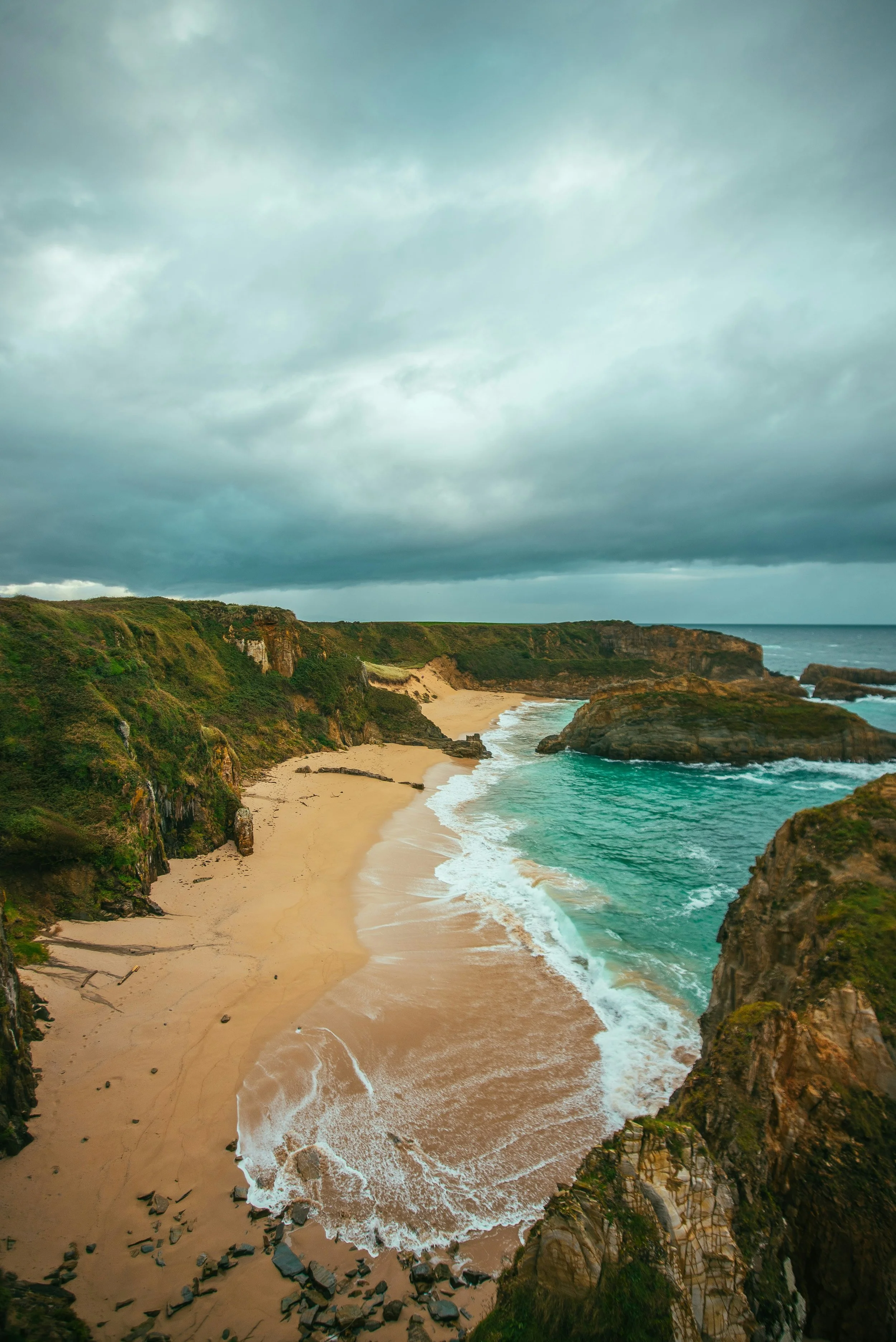
The North: Asturias, Galicia & The Basque Country
Northern Spain feels like another country altogether. The landscape becomes intensely green. Mountains reach almost all the way to the ocean. Beaches become wilder and the Mediterranean blues are replaced by the deeper colours of the Atlantic. Asturias has dramatic mountains and forests. Galicia has rugged coastline, mist, stone villages and some extraordinary beaches. And the Basque Country combines wild nature with one of the most exciting food cultures in Europe.
If you love places that feel a little moody, cinematic and untamed, don't automatically head south when planning an elopement in Spain: Look north.
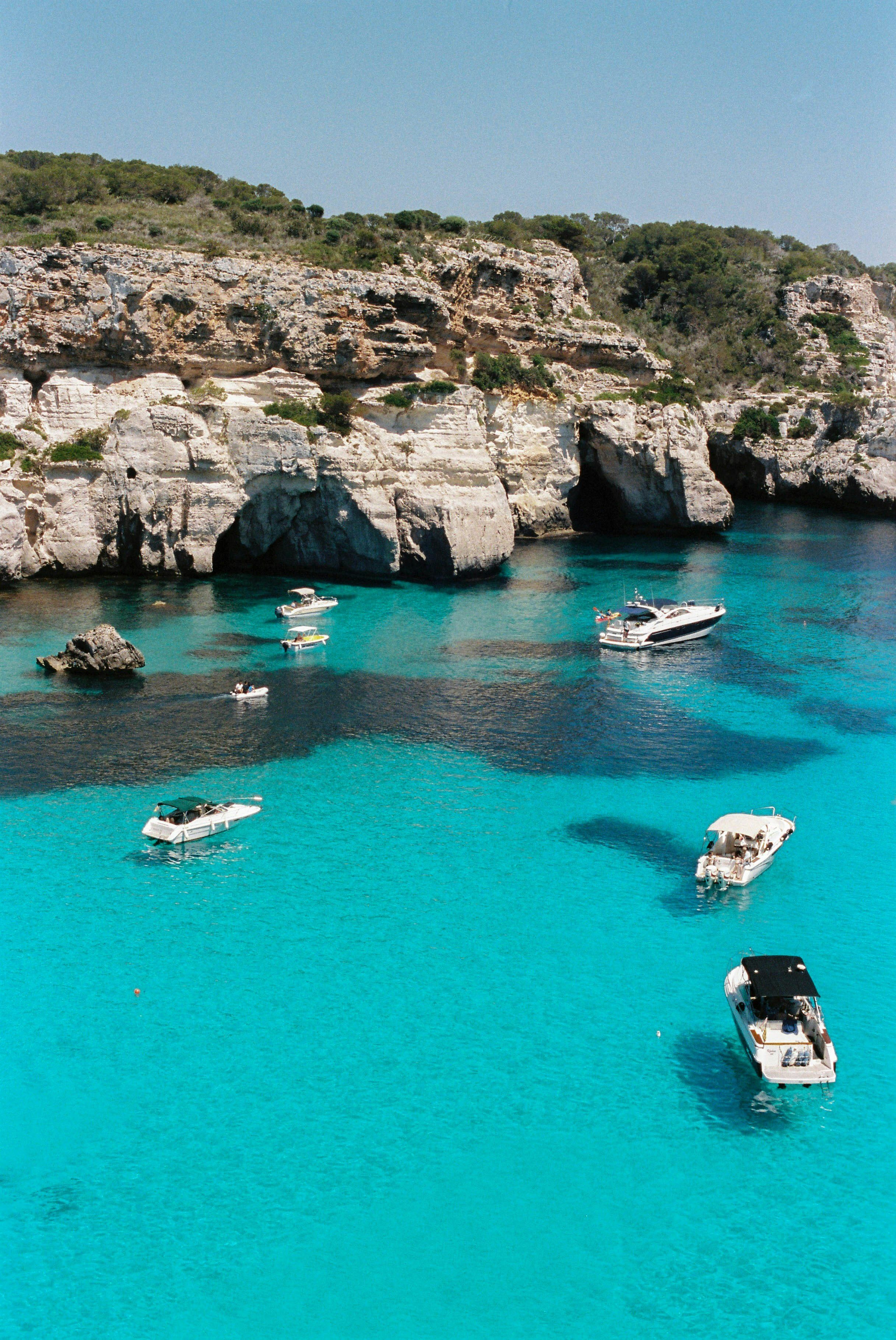
Mallorca, Menorca & The Balearic Islands
If what you want is the Mediterranean experience in its purest form, the Balearic Islands are difficult to ignore: Clear water, rocky coves, limestone cliffs, olive trees, beautiful fincas and that particular golden Mediterranean light. Mallorca gives you an enormous variety of landscapes and accommodation, while Menorca can feel quieter and more intimate. And an island elopement gives you another advantage: it naturally becomes a trip.
Stay for a few days. Rent a car. Swim in the morning. Get married in the afternoon. Have dinner outside. Spend the next day doing absolutely nothing.
Costa Blanca: Jávea, Moraira & Altea
The Alicante coastline is another wonderful option for couples looking for cliffs, coves and Mediterranean landscapes without necessarily choosing an island:
Around Jávea and Moraira you will find dramatic cliffs dropping into incredibly blue water, while Altea brings whitewashed architecture and old Mediterranean streets into the mix. There are also beautiful private villas throughout the area, making it especially interesting if you want to combine accommodation and celebration in the same place.
Málaga & Marbella
Southern Spain doesn't have to mean rustic: Around Málaga and Marbella you can find luxury villas, boutique hotels, beautiful beaches and some seriously impressive private estates. This works particularly well if your idea of an elopement is less about hiking somewhere remote and more about creating an intimate, elevated experience.
Think beautiful accommodation, getting ready slowly, a private ceremony, sunset portraits and an incredible dinner. Small doesn't have to mean simple.
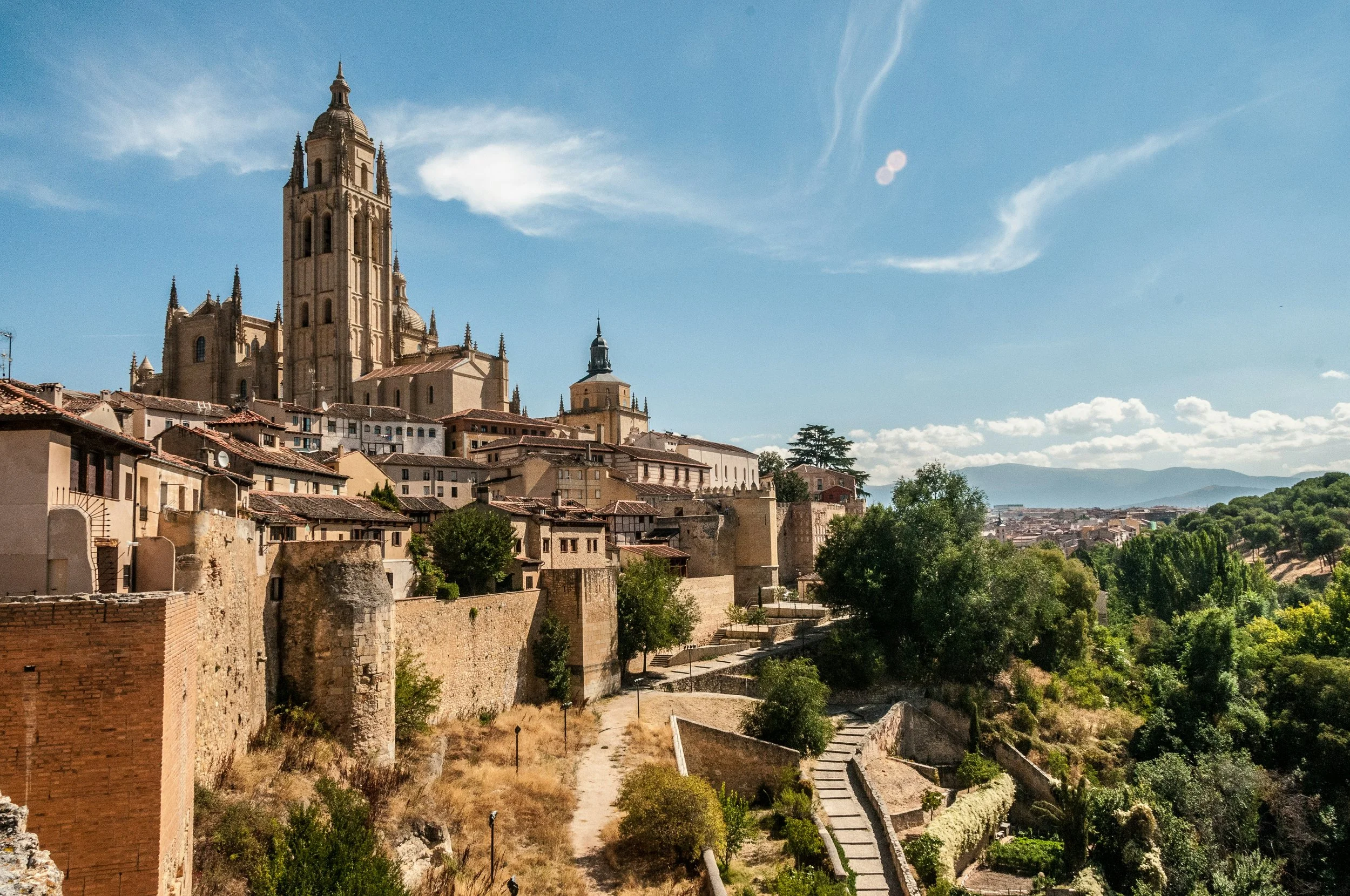
Madrid & Central Spain
Madrid might not be the first place people imagine when they think about eloping in Spain, but leave the city and the landscape opens up.
The centre of Spain has enormous skies, dry golden fields, which, depending on the time of year, may be covered in poppies or lavender, mountains, historic estates, old villages and landscapes that seem to stretch forever. And you have Madrid itself if you want to combine nature with the energy of a city.
You could spend one day wandering around Madrid, eating and drinking your way through the city, and the next somewhere completely quiet in the countryside. Central Spain also puts extraordinary historic places like Segovia and Toledo within easy reach.
Barcelona
Barcelona works beautifully if you want your elopement to feel more urban. You have modernist architecture, old streets, the Mediterranean, mountains nearby and some extraordinary historic buildings. Spend the morning walking through the city, stop somewhere for vermouth, exchange vows somewhere private and finish with dinner at one of the city's incredible restaurants.
And if you want nature too, you don't have to travel very far, the Mediterranean coast and Catalan countryside are right there. And if you want a magic mountain you can go to Montserrat, just 30 minutes away from the city.
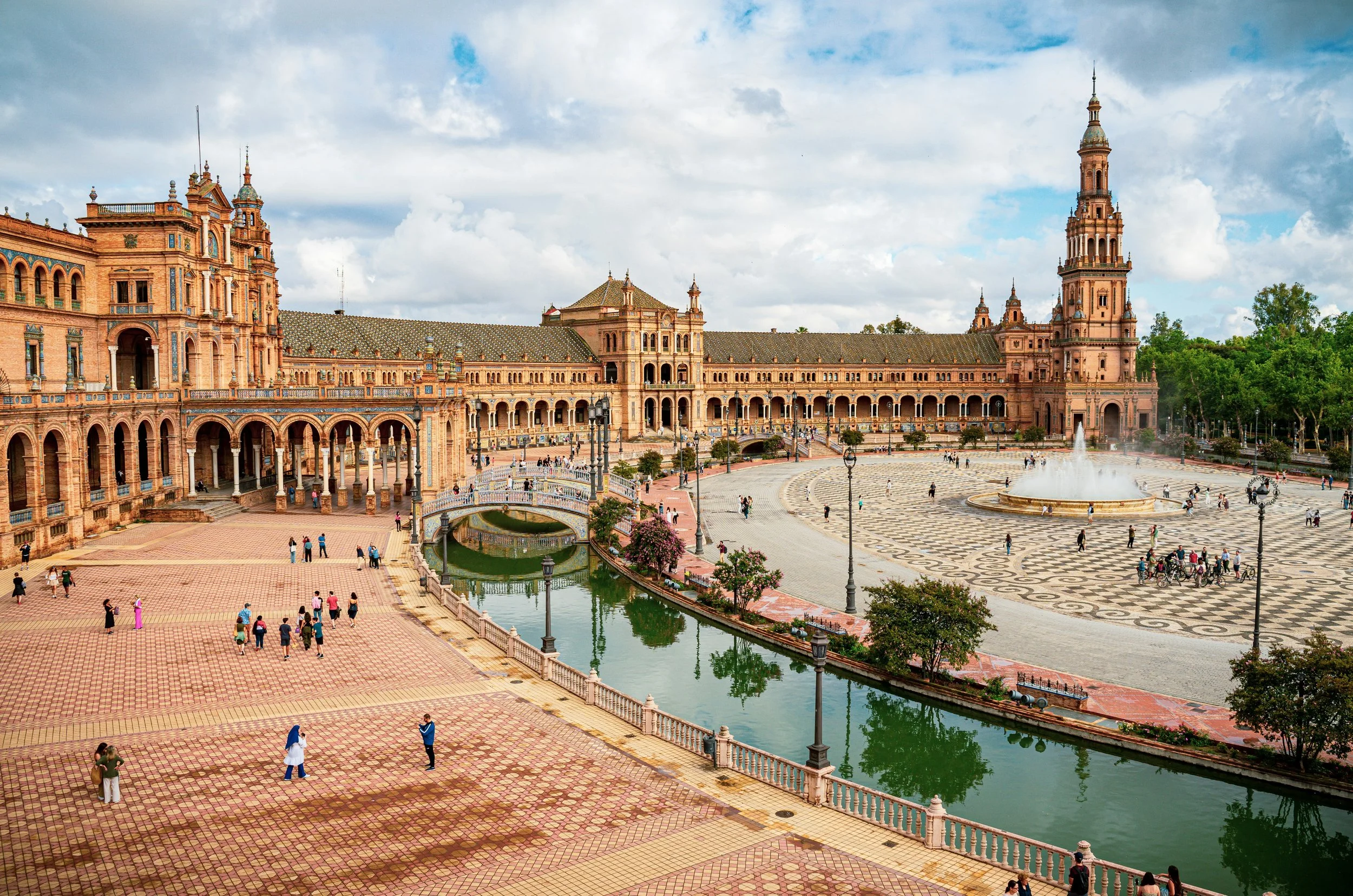
Andalusia: Seville, Granada & Córdoba
Andalusia deserves much more than one paragraph. Granada has the Alhambra and the Sierra Nevada. Seville has orange trees, tiled courtyards, historic palaces and some of the most recognisable architecture in Spain. Córdoba is the most beautiful, small city of Andalusia, full of historical buildings and with one the most delicious gastronomies of the region.
Outside the cities you will find white villages, olive groves, mountains and traditional cortijos that can become incredible private spaces for a small wedding. There is history everywhere.
And there is something about the warm evenings in southern Spain that seems made for celebrations that last far longer than originally planned.
AN ELOPEMENT IN SPAIN IS ALSO ABOUT FOOD
Landscape is only half the story, because if you are going to get married in Spain, you should probably leave enough time to eat A LOT. Food here isn't simply something that happens between activities: It is the activity.
Spanish food culture is deeply connected to local produce and to eating socially: olive oil, vegetables from local farms, tomatoes that actually taste like tomatoes, bread, cheese, seafood, jamón, rice dishes and food that changes completely depending on which region you are visiting. Then there is the wine, the vermouth, the aperitivo before lunch… And somehow another drink afterwards!
For a small wedding, this becomes part of the experience rather than just wedding catering. Instead of thinking about a traditional reception, imagine one long table outside: Local wine, food made nearby. Ten people talking over each other, someone ordering another bottle… Dinner slowly turning into drinks as the light disappears.
That is a very Spanish kind of celebration and it works beautifully for an intimate wedding.
THE ART OF DOING THINGS SLOWLY
There is a word you should probably know before planning a wedding in Spain: sobremesa. Technically, it means the time spent sitting around the table after eating. In reality, it can last for hours. Nobody is particularly interested in leaving: You talk. You drink coffee. Someone orders another wine. Eventually food appears again.
It says something important about the culture here: Life is allowed to take a little time.
And an elopement gives you the freedom to embrace exactly that. You don't need a minute-by-minute timeline where every part of your wedding happens because the schedule says it should. You can have a slow morning: go swimming, have lunch, take a nap, get ready together, exchange your vows in the exact moment when the light becomes beautiful. And then, open a bottle of wine, watch the sunset, have dinner surrounded by your loved ones while the sun slowly goes down.
Your wedding doesn't need to feel like an event you are managing, it can simply feel like a really extraordinary day of your life.
THE LIGHT
As a photographer, this is one of my favourite things about Spain.
The light here can be incredible. During spring and summer the days are long, particularly around the Mediterranean, which gives us enormous freedom when planning photography around an elopement. You don't necessarily need to disappear from your guests at the exact moment dinner is being served because that is the only fifteen-minute window available for portraits, we can build photography around your day instead of building your day around photography. And towards the end of the day, when the sun gets lower and everything becomes warmer and softer, Spain can be magic.
WHEN IS THE BEST TIME TO ELOPE IN SPAIN?
This depends enormously on where you are going, Spain doesn't have one single climate, but for many destinations, spring and autumn are my favourite seasons for an elopement: April, May, late September and October can be particularly beautiful. Temperatures are generally more comfortable, popular destinations tend to be less crowded than during peak summer and the light is beautiful.
SUMMER
Summer sounds like the obvious choice, but I would actually think carefully before choosing July or August, Southern Spain and inland areas can become extremely hot, while many Mediterranean destinations are at their busiest. If summer is important to you, northern Spain, the Pyrenees, The Canary Islands or certain coastal locations can make much more sense.
AUTUMN
September and October are fantastic months in many parts of Spain. The sea can still be warm, temperatures become more comfortable and the huge summer crowds begin to disappear.
WINTER
Don't dismiss winter: Mediterranean winters can be surprisingly mild, while the Canary Islands are an excellent option if you want warmth. And if what you actually want is snow, head towards the mountains instead.
SPRING
Spring might be the sweet spot: Longer days, comfortable temperatures, green landscapes and fewer visitors than during peak summer. For many elopements, it would be my first choice.
GETTING TO SPAIN — AND GETTING AROUND
One of Spain's biggest advantages as an elopement destination is accessibility. Madrid and Barcelona are major international hubs, while cities including Málaga, Alicante, Valencia, Bilbao, Seville and others have international airports connecting them with destinations across Europe and beyond.
Once you arrive, distances are relatively manageable. Spain also has an excellent high-speed rail network between many major cities, and renting a car opens up an enormous amount of countryside. This means you can create an elopement that feels remote without necessarily being genuinely difficult to reach.
A stone masía surrounded by countryside might still be an hour from an international airport, a mountain adventure doesn't necessarily require an expedition and a secluded Mediterranean cove might be followed by dinner in town.
That combination, wild landscapes without sacrificing accessibility, is one of Spain's greatest strengths.
CAN FOREIGNERS LEGALLY GET MARRIED IN SPAIN?
This part deserves a little nuance.
Getting legally married in Spain as a foreign couple depends on your nationality, residency situation and the type of ceremony, and the administrative process can be considerably more complicated than having a symbolic ceremony here. For destination elopements, many couples therefore choose the simplest route: take care of the legal marriage in their home country and have their personal ceremony in Spain.
For an elopement, that can be incredibly freeing. Your ceremony doesn't need to happen somewhere because paperwork requires it, it can happen somewhere because the place means something to you: On a cliff, in the mountains, under an olive tree, in the garden of the house where everyone is staying.
You can write your own vows, involve your friends or family and create something that actually feels like you.
If having the legal ceremony in Spain itself is important to you, always check the requirements that apply specifically to your nationality and circumstances with the relevant Spanish authorities or consulate before making plans.
WHAT DOES A SPAIN ELOPEMENT ACTUALLY LOOK LIKE?
This is probably my favourite question, because there isn't really an answer: An elopement doesn't need to mean standing on a mountain alone at sunrise, it doesn't necessarily mean just the two of you.
You can bring your parents, your siblings, ten friends, your dog… You can rent a beautiful house for a weekend and turn the wedding into a tiny holiday together. You could have breakfast with everyone, spend the morning swimming, get ready slowly and have your ceremony in the garden before going somewhere beautiful for sunset. Or wake up before sunrise and hike somewhere completely alone. Or get married in Barcelona and spend the rest of the day eating your way through the city. Or rent an old convertible and drive through Andalucía. Or stay in a castle. Or have a picnic overlooking the Mediterranean. Or do absolutely nothing for three hours because lunch lasted much longer than expected.
There are no rules and that's the point!
ELOPING JUST THE TWO OF YOU VS. HAVING AN INTIMATE WEDDING
Eloping doesn't necessarily mean running away without telling anyone. For me, the line between an elopement and an intimate wedding isn't particularly important, what matters is intention. Maybe the perfect day really is just the two of you or maybe you can't imagine getting married without twelve of your favourite people there. Both can still feel deeply intimate.
A smaller guest list gives you the possibility of choosing places that simply wouldn't work for a traditional wedding. You can rent one beautiful house instead of a wedding venue, have dinner at an incredible restaurant instead of organising catering for a hundred people, travel together, spend actual time with everyone who came and create a wedding around what you enjoy rather than around what a wedding is supposed to look like.
YOU CAN MAKE A WHOLE TRIP OUT OF IT
If you are travelling internationally to get married in Spain, I would strongly recommend thinking beyond the wedding day: Make a trip out of it.
This is where an elopement can become something really special. Rent a masía in the Empordà for a few days with your closest friends, spend a week driving around Andalucía, get married in Mallorca and spend the next three days swimming. Combine Barcelona with the Costa Brava or drive through northern Spain. Eat everywhere, drink the local wine, don't rush home the morning after your wedding.
One of the great advantages of choosing Spain is that your wedding can easily become part of a much bigger experience.
PLANNING YOUR ELOPEMENT IN SPAIN
Once you know roughly where and when you would like to get married, things become much easier. For most elopements, you won't need the enormous vendor team associated with a traditional wedding. You might want a photographer, florist, hair and makeup artist, celebrant, private chef or restaurant and perhaps someone helping with planning or styling.
And although organising a wedding in another country can sound intimidating, English is widely spoken within the destination wedding industry in Spain. There are brilliant local vendors accustomed to working with international couples.
My biggest advice would be: work with people who actually know the place, not only because of language, local knowledge can completely change an elopement. Knowing when a beach becomes crowded, which road has the best view, where you can stop for dinner afterwards. Whether somewhere that looks remote on Instagram is actually beside a car park. What the light does at a particular location. Whether you need permission to use a space.
Those tiny things can turn a good day into an unforgettable experience.
YOUR SPAIN ELOPEMENT DOESN'T NEED TO LOOK LIKE ANYONE ELSE'S
Maybe you started looking at Spain because you wanted sunshine and the Mediterranean and now you are considering getting married beside a volcano. that happens.
The wonderful thing about planning an intimate wedding here is that you don't need to fit your day into a predefined wedding format, you have room to experiment.
Spain gives you wild landscapes and beautiful architecture, incredible food, history, long days, warm evenings and a culture that understands that sometimes the best thing you can possibly do is sit around a table with the people you love for far longer than originally intended and perhaps that is what I love most about elopements, once you remove everything you thought a wedding had to include, you are left with a much more interesting question:
How would you actually want to spend the day you get married?
If the answer involves the Mediterranean, mountains, old stone houses, ridiculously good food, a road trip, a few bottles of wine or simply somewhere beautiful where you can disappear together for a while, Spain is a pretty good place to start!
ELOPEMENT PHOTOGRAPHY IN SPAIN
I'm Rose, a wedding and elopement photographer based in Spain, working throughout the country and available for destination celebrations across Europe. My approach is documentary and natural, with a mix of digital and 35mm film photography. I care much more about how your wedding felt than turning it into an eight-hour photoshoot.
So yes, we'll absolutely chase beautiful light when it makes sense.
But I'll also photograph the wine glasses left on the table, your friends swimming before dinner, your dad crying during the vows, the wind completely destroying the hairstyle you spent an hour creating, and all those tiny things that eventually become the way you remember the day.
If you're planning an elopement or intimate wedding in Spain and you're still figuring out exactly what it could look like, you don't need to have everything decided before getting in touch.
Tell me what you're imagining.
We can figure out the rest from there :)
