
How to Plan a Wedding Abroad: A Complete Guide to Getting Married in the Mediterranean

Planning a wedding abroad can feel like a dream at first. A beautiful venue in the Mediterranean, amazing food, long dinners outside, warm light, your favourite people flying in to celebrate with you… it is easy to see the magic.
But once the first excitement settles, the real questions start appearing. Where should you get married? Do you need a wedding planner? Should the ceremony be legal or symbolic? How do you make things easy for your guests? And how do you create something that feels beautiful and relaxed, instead of turning the whole process into a giant spreadsheet with emotional consequences?
If you are planning a destination wedding in Spain, this guide will walk you through the most important decisions. From choosing the right location to organising accommodation, transport and a full wedding weekend, here is how to plan a Mediterranean wedding abroad in a way that feels exciting, realistic and genuinely enjoyable.
Why so many couples are choosing Spain for a wedding abroad
There is a reason Spain keeps showing up on destination wedding wish lists. It offers that sweet spot so many couples are looking for: beautiful landscapes, great weather, excellent food, strong hospitality, and the feeling that your wedding can also be a shared trip with the people you love.
And that last part matters more than ever. Weddings are increasingly being planned as an experience rather than a single-day event, with many couples adding welcome parties, rehearsal dinners or day-after brunches to make the celebration feel more relaxed and meaningful.
Spain works especially well for that kind of celebration because it gives you variety. You can have a coastal wedding in Costa Brava, a countryside wedding near Barcelona, a city-meets-sea atmosphere in Valencia, or a more intimate celebration surrounded by vineyards, olive trees or historic architecture. It is the kind of place where a wedding can feel elegant and laid-back at the same time, which is honestly a very good combo.
What to decide first before planning a wedding abroad
Before you start saving venues and following florists on Instagram like it is your part-time job, it helps to define a few key things first.
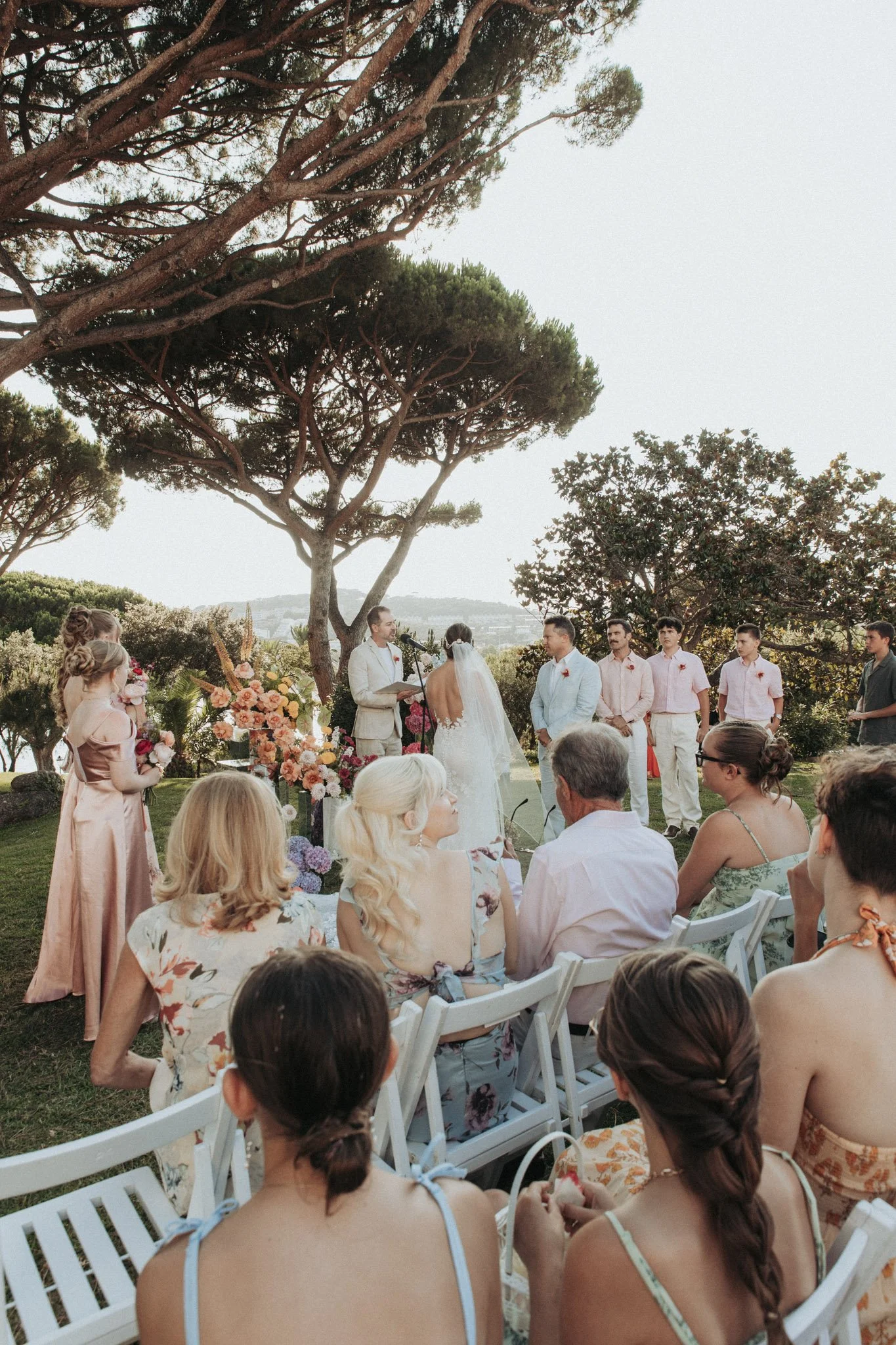
Your guest count
This will shape almost everything: venue options, accommodation needs, transport, budget, and whether your celebration feels more like a large wedding, a micro wedding or an extended wedding weekend.
A destination wedding often leads couples to keep their guest list a little more intentional. That does not always mean tiny, but it usually means choosing the people who will really be part of the experience.
The kind of atmosphere you want
Do you want a relaxed countryside wedding? Something elegant near the sea? A full weekend with several events? A symbolic ceremony followed by a long dinner outdoors? Defining the overall feel early on will make every later decision easier.
Your budget priorities
For some couples, the dream is the venue. For others, it is food, photography, hosting guests well, or extending the celebration over several days. None of these are more correct than the others, but it helps to know what matters most to you before you start booking suppliers.
The season
Spring and early autumn are usually especially attractive for Mediterranean weddings, thanks to the milder weather and softer light. Summer can be beautiful too, but it needs more planning around heat, shade, hydration and timing, especially for ceremonies and guest comfort.
Whether you want one wedding day or a full wedding weekend
This is a big one now. More and more couples are thinking beyond the wedding day itself and planning extra moments around it, like a welcome dinner, rehearsal dinner, pool party or brunch the day after. That can make the whole celebration feel more personal and less rushed, but it also means more moving parts to organise well.

Legal wedding or symbolic ceremony in Spain?
This is one of the first practical questions international couples should look into.
If you are getting married in Spain as a foreign couple, the legal side can be more complex than people expect. The exact process depends on your nationality, residency and personal circumstances, and official requirements can vary depending on where and how you plan to marry. Spain’s public administration explains that couples must meet the applicable civil requirements and obtain the relevant authorisation before the marriage can take place.
Because of that, many couples choose to complete the legal paperwork in their home country and have a symbolic ceremony in Spain instead. In practice, this is often the simpler and less stressful option, especially for destination weddings where the focus is on the experience, the setting and celebrating with loved ones.
A symbolic ceremony also gives you more flexibility. You can choose the venue more freely, personalise the wording, and build a ceremony that feels truly like you, without being as constrained by legal logistics.
That said, if having the legal ceremony in Spain matters to you, it is worth checking the current requirements as early as possible and speaking to a local wedding planner or the relevant civil authority. It is one of those things you do not want to leave until the “surely this will be fine” phase.
Why hiring a wedding planner makes such a difference
If you are planning a wedding abroad, hiring a local wedding planner is not just a nice extra. In many cases, it is one of the smartest decisions you can make.
Planning from another country means making important decisions at a distance, often in a different language, with a different wedding culture, different supplier expectations and different timelines. A good planner helps connect all those dots before they become problems.
A wedding planner can help you:
find trusted local vendors
narrow down venue options that actually fit your needs
guide you through realistic budgets and timelines
communicate with suppliers in the local language if needed
coordinate the flow of the wedding day and any extra events
support with guest logistics, transport and accommodation
troubleshoot last-minute issues without you having to carry all the stress
This becomes even more valuable if you are planning more than one event. Welcome drinks, rehearsal dinners, beach gatherings, post-wedding brunches and transport between venues all sound fun, and they are, but they also need structure. Multi-day celebrations work best when someone is looking at the big picture and making sure the guest experience feels smooth rather than chaotic. Current wedding planning coverage also reflects that couples are increasingly stretching celebrations across multiple events, which naturally increases the value of coordination.
In short: a planner does not just help make things pretty. They help make things work.
Choosing the right location in the Mediterranean
Not every beautiful place is automatically the right destination wedding location, and this is where couples sometimes get caught. A venue can look amazing in photos and still be complicated for guests, awkward for timings or difficult to navigate if everyone is travelling from abroad.
When choosing a location in Spain, think beyond the visuals.
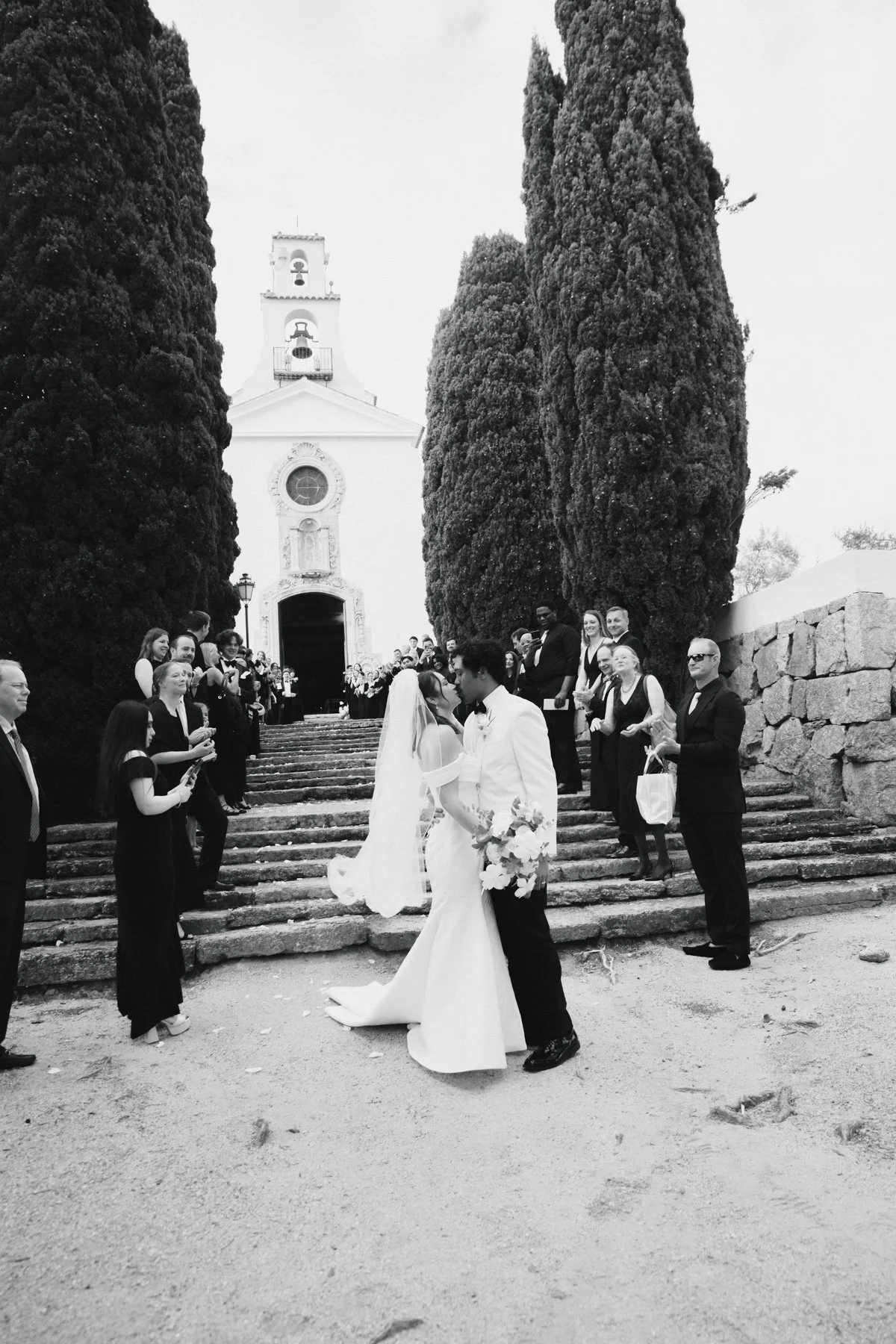
Accessibility
How far is it from the nearest airport? Is it realistic for international guests arriving from different countries? Will they need to rent cars, or can they move around more easily?
Accommodation nearby
Can most guests stay close to the venue? Is there accommodation on site, or at least several good options nearby? If guests have to spread out across different towns, transport becomes more important and planning needs to be tighter.
The overall rhythm of the celebration
Some places work beautifully for a full wedding weekend because guests can stay close together, move around easily and enjoy several events without long travel times. Others are better for a one-day celebration.
The atmosphere of the region
Barcelona, Costa Brava, Girona and Valencia all offer very different energies. Some couples want sea views and cliffside dinners. Others want a rural Mediterranean setting with warm stone, olive trees and fields around them. The right choice is not about what is trendiest. It is about what feels most like you and what works well for your guests.
Accommodation and guest logistics: the part couples often underestimate
One of the biggest differences between a local wedding and a wedding abroad is that your guests are not just attending your wedding. They are travelling for it.
That means their experience starts long before the ceremony. It starts with flights, hotel options, airport transfers, check-in times, navigating the area and understanding where they need to be and when.
This is why guest logistics deserve real attention.
Make accommodation easy to understand
If possible, offer a few clear options rather than leaving people to figure everything out from scratch. A good mix could be:
one higher-end option
one mid-range option
one more budget-friendly option
on-site accommodation if available
What guests usually appreciate most is not endless choice, but clarity.
Use your wedding website as a practical travel guide
For destination weddings, your wedding website should do much more than share your love story and a cute engagement photo. It should function as a genuinely useful guide for travelling guests.
This is especially important for weddings abroad, where guests often need help with flights, accommodation, local transport and the overall schedule. Practical destination wedding advice today consistently recommends including travel details, nearby airports, accommodation suggestions, transport information, local recommendations and a clear itinerary for guests.
Useful things to include:
nearest airports
the closest town or area
recommended places to stay
approximate travel times
whether a car is needed
shuttle information if you are providing transport
the weekend schedule
dress code notes
FAQs
local tips for guests who want to make a trip of it
This one detail alone can save everyone a lot of back-and-forth.
Wedding transportation in Spain: do not leave it for later
Transport has a huge impact on how the whole wedding feels, especially when guests are unfamiliar with the destination.
It is easy to treat transport like a side detail, but it affects timing, comfort, guest safety and how relaxed the experience feels from one part of the day to the next. Recent expert guidance on wedding transportation stresses that clear planning, guest information and well-organised transitions can shape the entire flow of the celebration.
You may need to think about transport if:
guests are staying in different hotels
the ceremony and reception are in different places
the venue is remote
taxis are limited in the area
you are planning late-night celebrations or an after-party
older guests or families with children are attending
For many weddings abroad, shuttle buses are one of the most practical solutions. They make things easier for guests, help keep the timeline under control and reduce stress around directions, parking or finding transport late at night.
The key is not just booking transport, but communicating it clearly. Guests should know exactly where to be, when to be there, and whether they need to organise anything themselves.
Rehearsal dinner, welcome party or post-wedding brunch?
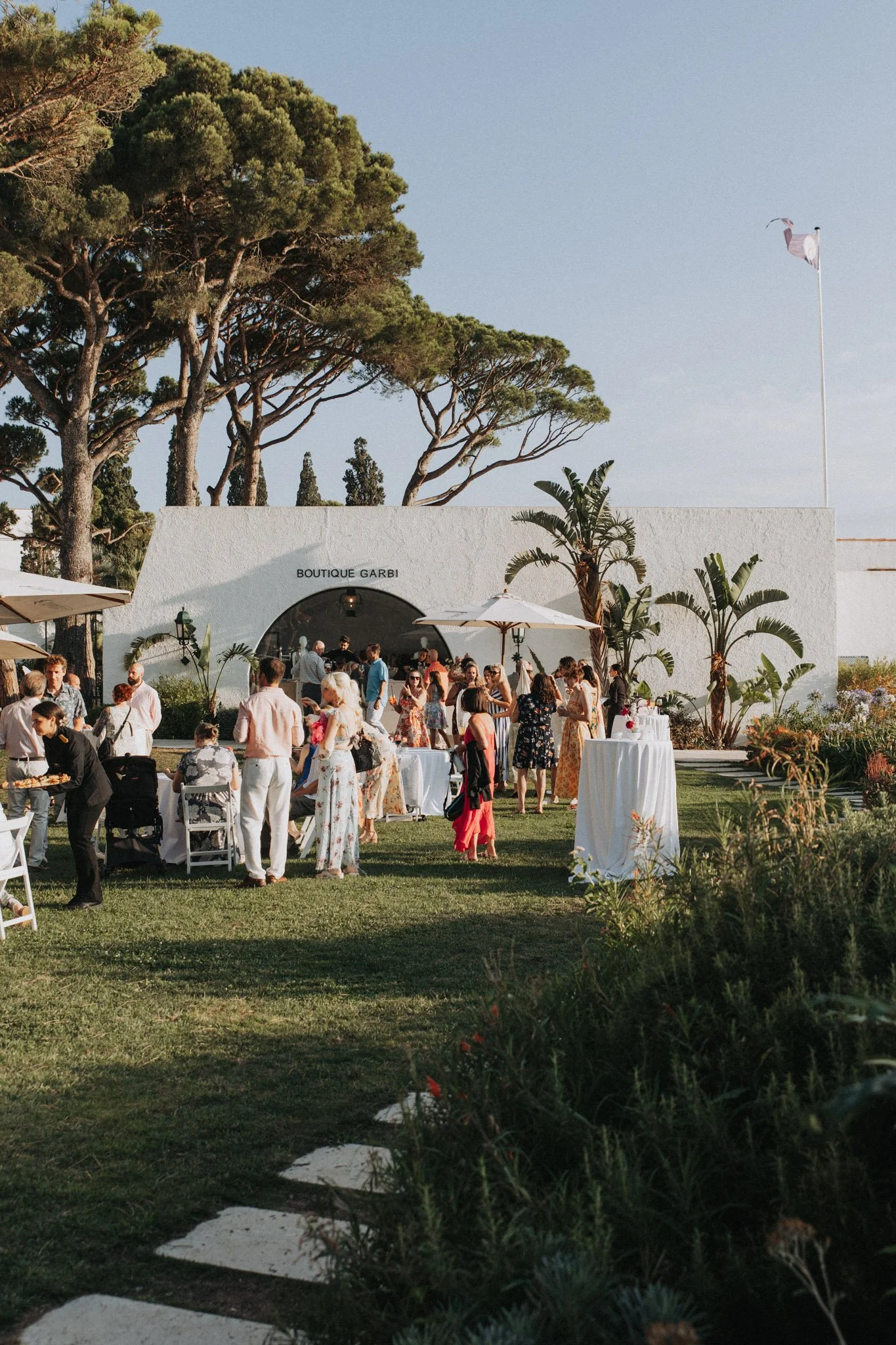
If you are planning a wedding abroad, there is a good chance your guests will be travelling specifically for your celebration and staying at least one or two nights. That is why destination weddings often work beautifully as more than just a single day.
This style of celebration has become more common, with many couples adding at least one extra event and some building a full two- or three-day wedding weekend.
Here is how those extra events usually fit in.
Rehearsal dinner
Traditionally, the rehearsal dinner is a smaller event held the day before the wedding, often for close family, the wedding party and anyone involved in the ceremony. It is a lovely way to ease into the celebrations, especially if many guests are arriving the day before.
For destination weddings, it can also be a very helpful anchor point. People get to settle in, reconnect, understand the plan for the next day and start the weekend in a more relaxed way.
Welcome party
A welcome party is usually a little less formal and can include a wider group of guests. This could be drinks in a courtyard, a relaxed evening dinner, tapas in town, a beach gathering or sunset cocktails.
It works especially well when many guests are flying in from abroad and may not have seen each other in a long time. It turns arrivals into part of the celebration rather than a separate logistical blur.
Post-wedding brunch or pool party
A brunch the day after the wedding is one of the nicest ways to end a destination wedding weekend. It gives everyone a softer landing after the main event, allows more time with guests and takes the pressure off trying to speak to every single person properly during the wedding itself.
Depending on the setting, this could also become a poolside lunch, a vermouth-style gathering, or a very casual meal before people head to the airport.
The important thing is not to overfill the schedule. A wedding weekend should feel generous, not exhausting. A little breathing room goes a long way.
Building the right supplier team from abroad
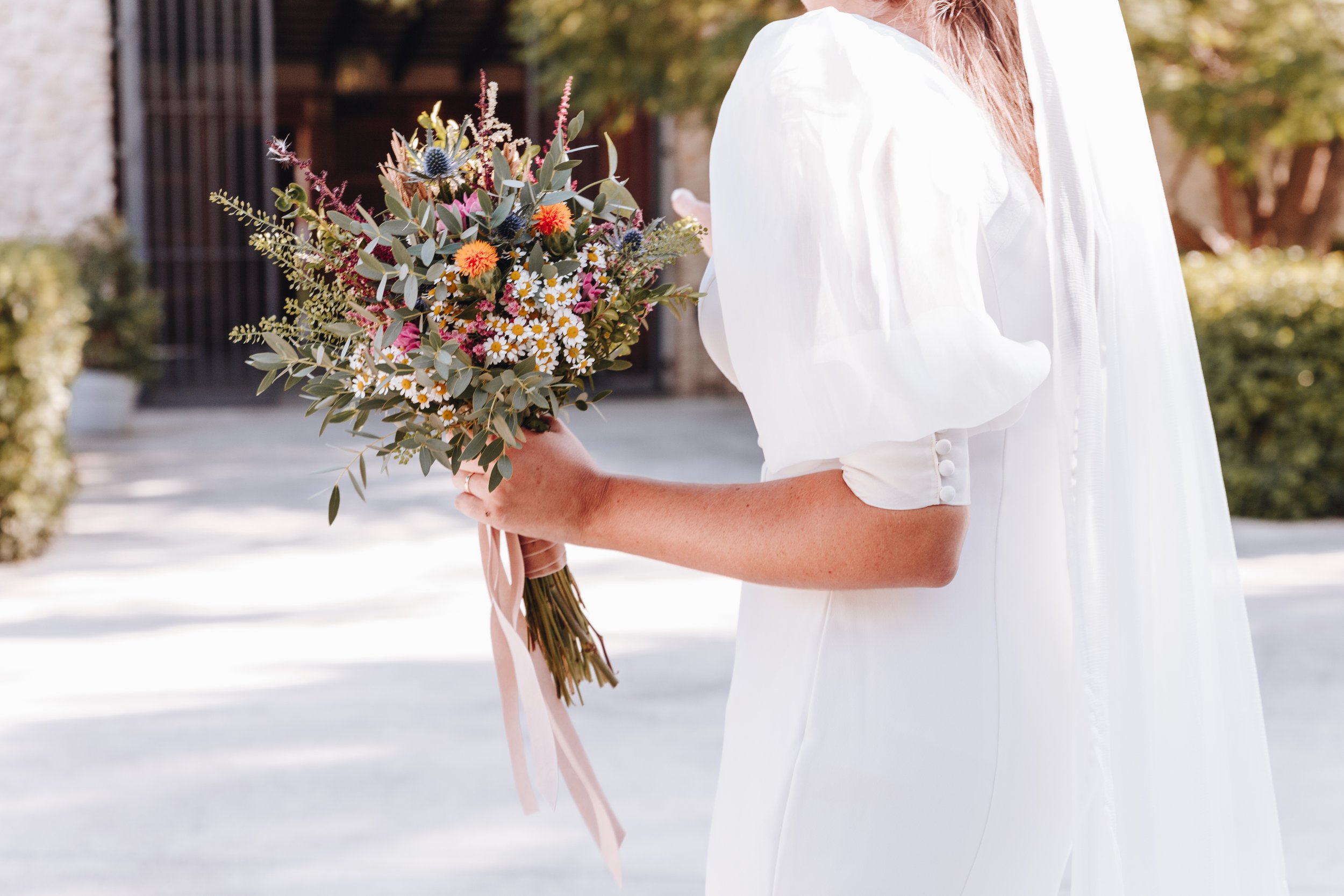
When you are planning from another country, choosing the right suppliers is about more than talent. It is also about communication, trust, flexibility and having a team that understands destination weddings well.
Your supplier team might include:
wedding planner
venue
photographer
videographer
caterer
florist
hair and makeup artists
music or DJ
celebrant
transport provider
Try to prioritise people who communicate clearly, understand the rhythm of weddings with international guests and can work collaboratively with the rest of the team.
And yes, this is one of the reasons planners are so useful. They often know which suppliers are consistently reliable, who works well together and what details matter in a given region.
A realistic destination wedding timeline
One of the easiest ways to reduce stress is to stop expecting everything to magically fall into place at the same speed as a local wedding near home.
A wedding abroad needs time, especially if guests will be travelling and you are coordinating several suppliers from different places.
12 to 18 months before
define your budget and priorities
choose the region
decide on legal or symbolic ceremony
hire a wedding planner
book your venue
estimate guest count
send save the dates if guests will need to travel internationally
For destination weddings or peak travel periods, etiquette guidance generally recommends giving guests plenty of notice, often well in advance, so they can arrange flights and accommodation.
9 to 12 months before
book your key suppliers
research or secure accommodation options
build your wedding website
start shaping the structure of the weekend
look into transport needs
6 to 9 months before
confirm guest information details
refine the ceremony plan
decide whether you want a welcome event or brunch
finalise styling direction
keep guests informed about logistics
3 to 6 months before
confirm accommodation recommendations
book transport if needed
share the schedule with guests
confirm travel plans for yourselves and any close family
review timing with planner and venue
Final weeks
send final logistics to guests
confirm supplier schedules
double-check weather backup plans
review transport timings
make sure everyone knows where they need to be
Sexy? No. Effective? Extremely.

A wedding abroad checklist for foreign couples getting married in Spain
If you want the quick version, here is the core checklist:
choose the region in Spain
define your guest count and budget priorities
decide between a legal or symbolic ceremony
hire a wedding planner
book the venue
secure your key suppliers
create a useful wedding website for guests
organise accommodation options
think through transport early
decide whether you want extra events like a rehearsal dinner or brunch
communicate the itinerary clearly
confirm all logistics well before travel begins
Final thoughts on planning a wedding abroad in the Mediterranean
Planning a wedding abroad in Spain is not only about finding a beautiful venue. It is about creating an experience that feels exciting, warm and easy to navigate for both you and your guests.
The best destination weddings usually have a few things in common: a clear sense of place, a realistic plan, good communication, and a team that helps everything flow naturally. That does not mean every detail has to be perfect. It just means the celebration feels intentional, welcoming and genuinely enjoyable.
And that is really the magic of a Mediterranean wedding. It is not just the light, the sea, the old stone buildings or the food, although yes, those are doing a lot. It is the feeling of gathering everyone you love somewhere beautiful and giving them time to actually live it with you.
If you are planning a wedding in Barcelona, Costa Brava, Girona or Valencia and you are looking for someone to document it in an honest, relaxed and story-driven way, I would love to hear more about your plans.
Planning a destination wedding in Spain?
If you are dreaming of a wedding weekend in Barcelona, Costa Brava, Valencia or another Spanish city, feel free to get in touch. I photograph weddings all around Spain, in a candid and natural way, and I am always happy to help couples think through the experience as a whole, not just the photos.
